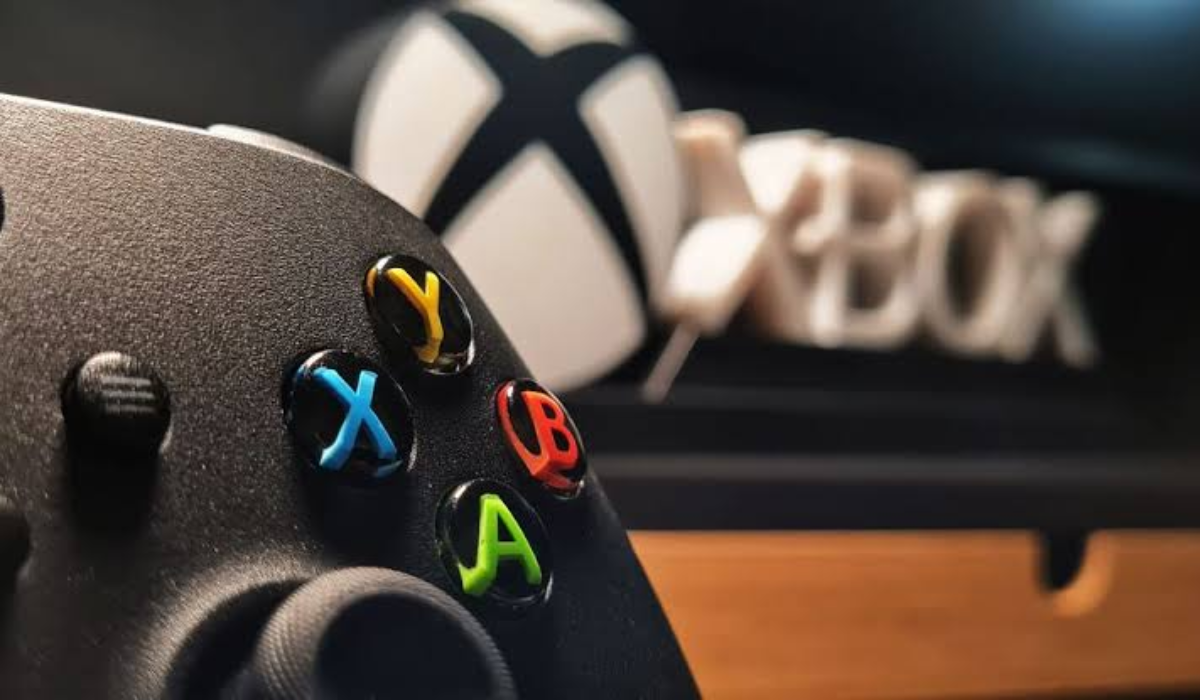


Microsoft is cutting about 4,800 jobs, roughly 2.1% of its workforce, and reshaping its Xbox business, with gaming absorbing the deepest cuts and several studios spun off. Leadership frames it as discipline in the AI era. The move lands amid Microsoft’s worst first-half stock stretch since 2022.
Key Takeaways
- Microsoft is cutting about 4,800 jobs, roughly 2.1% of staff
- Xbox bears the brunt, with 3,200 gaming roles eliminated
- Several studios will be divested or spun off as independent
- Heavy AI infrastructure spending is reshaping Microsoft’s costs
- Shares are down sharply after a rough first half of 2026
What Microsoft Announced
The scale is company-wide. On July 6, Microsoft said it would cut 4,800 jobs, or about 2.1% of its global workforce, as it looks to boost returns after years of heavy investment.
The framing points to a shifting industry. Chief people officer Amy Coleman, a 27-year veteran, told employees that the way technology is built and used is transforming faster than at any point in her time at the company.
The timing isn’t unusual. Microsoft often trims jobs near the end of its fiscal year in June as it sets spending plans for the year ahead, and this round fits that pattern, though its depth in gaming sets it apart.
The Xbox Overhaul
Gaming is where the knife cut deepest. Xbox is losing a total of 3,200 people, roughly a fifth of the division’s staff, according to CEO Asha Sharma’s note to employees.
The cuts are staggered. About 1,600 of those roles were eliminated on Monday as part of the broader 4,800, with another 1,600 exiting throughout fiscal 2027. Sharma acknowledged that a year-long restructuring creates added strain, but said the changes couldn’t all happen at once.
The portfolio is shrinking too. Microsoft is divesting several studios, with reporting citing four studios going independent and the restructuring potentially touching up to five, a notable retreat after years of aggressive expansion.
Why Gaming Is Under Pressure
The overhaul follows a long, expensive fight for relevance. Despite spending tens of billions to grow Xbox, including its blockbuster acquisition of Activision Blizzard, Microsoft has struggled to close the gap with Sony’s PlayStation and Nintendo.
That has forced a strategic rethink. Rather than leaning on console-exclusive titles to sell hardware, Microsoft has increasingly pushed its games across more platforms, loosening the old tie between big franchises and Xbox consoles.
Costs have piled on the pressure. A surge in memory-chip prices, driven by data-center demand, pushed Microsoft to raise Xbox console prices at a moment when demand for the hardware was already soft, squeezing the business from both sides.
The AI and Cost Backdrop
The cuts sit inside a larger AI story. Microsoft is spending heavily on AI infrastructure while also using the technology to drive efficiency across its operations, part of a wider wave of tech layoffs.
This isn’t the first reduction. Earlier in the year, Microsoft offered voluntary buyouts to about 7% of its US workforce, roughly 9,000 employees, following earlier rounds that cut similar numbers.
There’s an unease underneath it all. Investors worry that generative AI models could displace large swaths of lucrative enterprise software, even as Microsoft’s own AI models and services have yet to become breakout hits, leaving the company spending big without a clear payoff yet.
Market Reaction and What’s Next
Wall Street’s response was muted but negative. Microsoft shares slipped about 1.4% on the day, extending a rough stretch that has made it one of the weakest megacap tech performers of 2026.
The first half was especially punishing. The stock fell sharply over the first six months of the year, marking its worst first-half performance since 2022 as doubts about AI monetization weighed on sentiment.
Analysts read the cuts as housekeeping, not a turning point. As Parth Talsania of Equisights Research put it, the targeted reductions look more like portfolio reallocation and operating discipline than a fresh catalyst, and the market is likely to reward proof that AI revenue is scaling faster than AI costs over headcount cuts alone.
That sets the real test ahead. Trimming jobs and reshaping Xbox buys Microsoft discipline, but the payoff investors are waiting for is evidence that its enormous AI bets can finally start earning their keep.
Digital Trendings is your trusted source for AI news and updates, stay tuned for more.