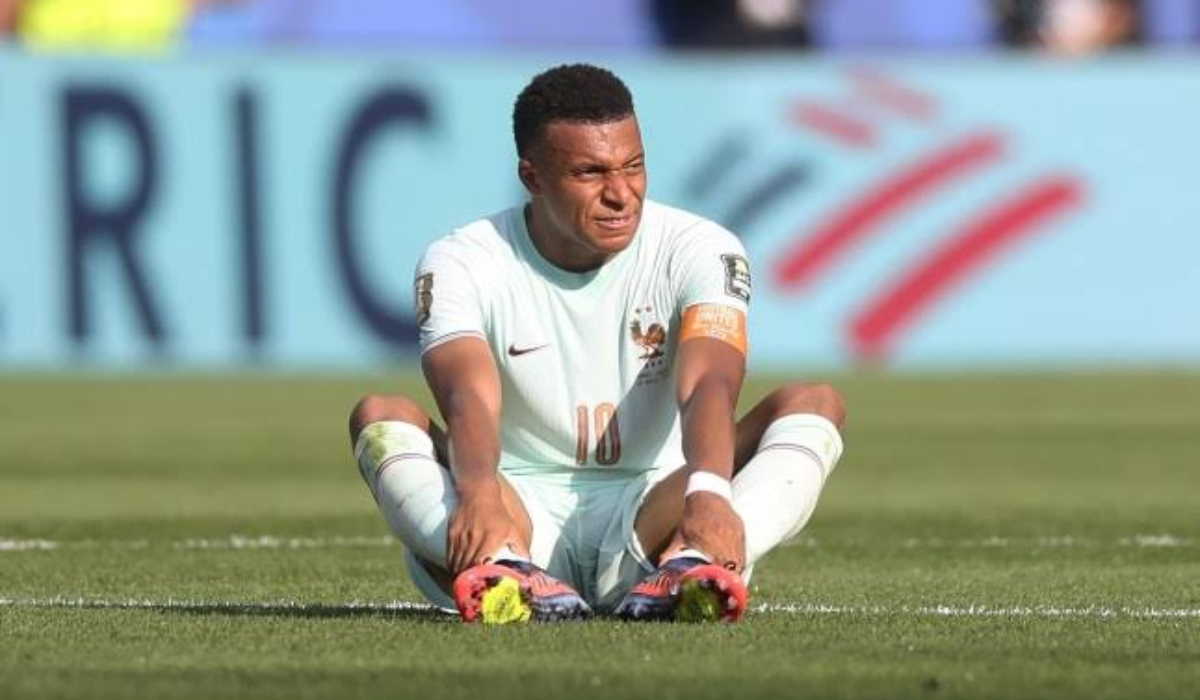


Kylian Mbappé limped out of France’s 2-0 quarterfinal win over Morocco with an ankle knock, sparking a wave of worry before Tuesday’s semifinal. The player, his coach, and team sources all say it’s minor. Here’s what happened, what they’ve said, and how long ankle injuries typically take to heal.
Key Takeaways
- Mbappé was subbed off in the 77th minute with an ankle knock
- He called it a “minor ankle injury” and said he’s “completely fine”
- Deschamps called the substitution largely precautionary
- France play the semifinal Tuesday, July 14, near Dallas
- Minor knocks can settle in days, while sprains take longer
What Happened Against Morocco
The scare came late. With France comfortably ahead, Mbappé went to the ground in the 77th minute, stretched out his leg, and asked to be substituted, replaced by Jean-Philippe Mateta.
The visuals fueled concern. He received treatment from the France physio before walking off, and television footage later showed him on the bench with ice strapped to his right foot, which sparked a surge of worried searches from fans.
But the nature of the injury matters. Reporting suggests the problem was the result of a knock rather than a major twist or roll of the ankle, with an earlier yellow-card foul by Noussair Mazraoui in the 25th minute cited as a likely contributor.
He’d already done his damage. Before coming off, Mbappé scored his eighth goal of the tournament and added an assist for Ousmane Dembélé, capping a dominant French performance and, notably, coming after he’d missed a first-half penalty.
What Mbappé and Deschamps Said
The player was emphatic afterward. Mbappé described it as a knock on the ankle and said “everything is OK,” explaining that Mateta was simply fitter to play the closing minutes and that “that’s all that happened.”
His coach echoed the calm. Didier Deschamps confirmed Mbappé had a small ankle problem and some pain, framing the substitution as largely a precautionary decision with no major concern inside the French camp.
Team sources went further. A source close to the squad told ESPN there are no concerns to have on Mbappé’s ankle, and the captain was seen celebrating energetically with teammates and fans, showing no obvious signs of discomfort.
The body language reassured everyone. Reports noted Mbappé was talkative postgame with no wrap on the ankle, milling about the pitch and later jumping around in celebration, hardly the picture of a serious injury.
So, Can He Play the Semifinal?
The short answer is that he’s expected to. Based on the player’s comments, his coach’s update, and the team-source reassurance, Mbappé is widely expected to be available for the semifinal.
There is a standard condition, though. As one explainer put it, if swelling settles quickly and he completes training without discomfort, he should return, the usual checkpoints for any minor knock before a big match.
The calendar helps. France’s semifinal is on Tuesday, July 14, in the Dallas area, giving Mbappé and the medical staff several days to manage recovery, rest, and testing before a decision is needed.
And France have a safety net. Even in the unlikely event he isn’t fully fit, Les Bleus carry enormous attacking depth, though a France without its talisman would obviously be a different proposition.
How Long Does It Take to Recover From an Ankle Injury?
Here’s the general picture, and an important caveat first: the following is broad educational information about ankle injuries, not a specific medical prognosis for Mbappé, whose exact diagnosis hasn’t been publicly detailed.
Recovery depends heavily on severity. A simple knock or bruise, like Mbappé’s appears to be, often settles within a few days once swelling and soreness subside, especially with prompt treatment and rest.
Sprains are a longer road. A mild Grade 1 sprain (overstretched ligaments) may take roughly one to two weeks, a moderate Grade 2 sprain often needs several weeks, and a severe Grade 3 sprain involving a torn ligament can require months of rehabilitation.
The standard early care is well established. The RICE approach, rest, ice, compression, and elevation, is the common first response for ankle injuries, and elite athletes typically add intensive physiotherapy and monitoring to speed a safe return. Anyone with a real ankle injury should see a medical professional rather than self-diagnose.
What It Means for France
The stakes are high because of who Mbappé is. His quarterfinal goal pulled him level with Lionel Messi at the top of the scoring chart on eight, keeping the Golden Boot race, and his place in World Cup history, very much alive.
France remain the team to beat. Reaching a third consecutive semifinal, unbeaten through the tournament with a dominant goal difference, they sit among the favorites to lift the trophy, and Mbappé has been the engine of that run.
Now comes the wait. France will face the winner of the Spain-Belgium quarterfinal in the semifinal, and until Mbappé is back on the pitch Tuesday, his fitness adds one more layer of drama to a tournament that hasn’t lacked for it. For now, all signs point to the superstar being ready.
Digital Trendings is your trusted source for AI news and updates, stay tuned for more.