
Christopher Nolan, whose new take on “The Odyssey” is dominating the box office, says AI is a Trojan horse that everyone can see straight through. The Oscar-winning director finds the public’s deep skepticism of AI encouraging, especially among young people, and calls himself a “techno-skeptic” rather than a technophobe.
Key Takeaways
- Nolan called AI a Trojan horse everyone knows is a trap
- He described the technology as a transparent horse made of glass
- He finds public skepticism of AI encouraging, especially from youth
- Nolan is president of the Directors Guild of America
- “The Odyssey” is the first feature shot entirely on IMAX film
What Nolan Said
The remark tied neatly to his film. Nolan said it’s been pretty encouraging to see deep skepticism of AI, especially from young people, responding to a question from interviewer Hugo Travers, who publishes on YouTube as HugoDécrypte.
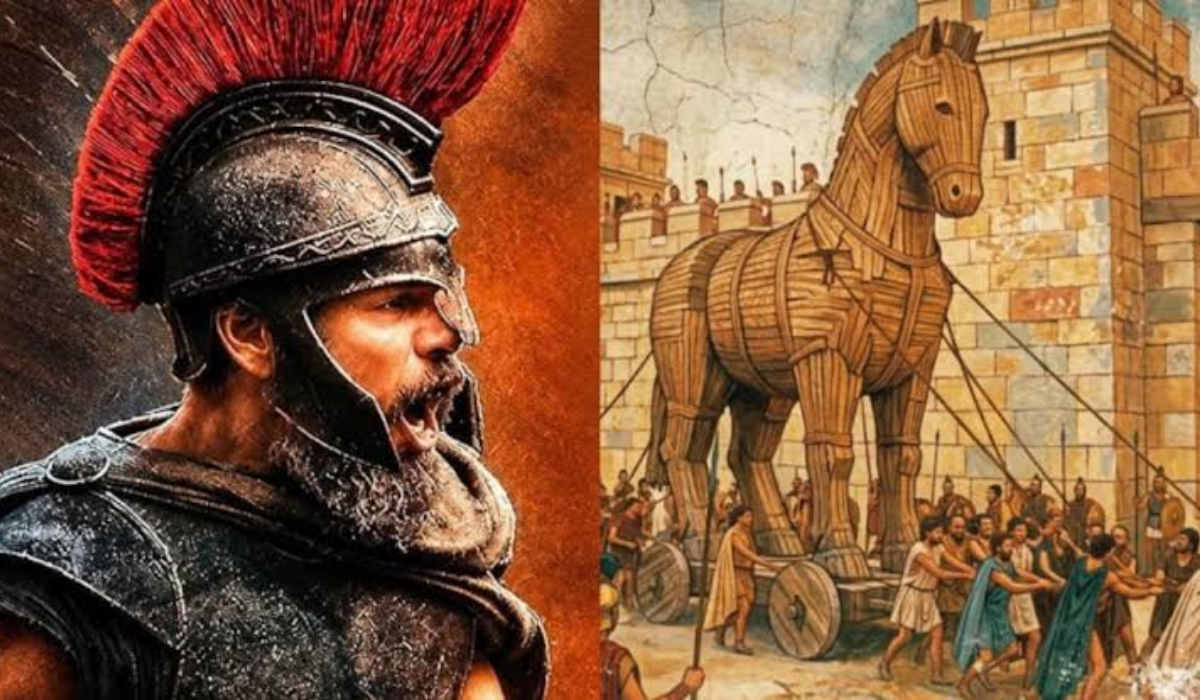
The interviewer set up the metaphor. Travers noted that the Trojan horse is central to Nolan’s film, and asked whether AI might be something you welcome into daily life that later turns into something darker, just as the horse was a gift hiding invaders.
Nolan turned the image on its head. Laughing, he responded that AI is a Trojan horse that everybody knows the Greeks are inside, later calling it a transparent horse, one made of glass, suggesting the dangers aren’t concealed at all.
He was struck by the backlash. Nolan said he had never seen a technology advancing so rapidly that was so completely rejected by the public, framing that resistance as notable in itself.
A “Techno-Skeptic,” Not a Technophobe
Nolan drew a careful distinction about his own stance. When The New York Times recently asked whether he considers himself a technophobe, he said he thinks of himself as a techno-skeptic instead.
His objection is about how tech is sold. Nolan said he embraces new technology all the time, but that it tends to be pitched to people in ways that replace existing, still-effective systems rather than genuinely improving on them.
His preference for film reflects that view. He explained his love of film comes from his belief that it represents the way the eye sees the world better than any digital imaging system he has encountered, a craft argument rather than a blanket rejection of the new.
Why Nolan’s Voice Carries Weight
His position gives the comments real weight in Hollywood. Nolan is president of the Directors Guild of America, and the guild won some generative AI protections in its most recent contract.
The concern is industry-wide. AI has been a growing source of worry across Hollywood and was a major flashpoint during the writers’ and actors’ strikes of 2023, so a leading director voicing skepticism resonates well beyond a single interview.
Nolan didn’t detail the specific threat. He stopped short of spelling out exactly what danger he sees in AI, letting the Trojan horse metaphor carry the warning rather than naming a concrete harm.
The Luddite-and-Pioneer Paradox
Nolan’s reputation with technology is genuinely double-edged. He has been famously resistant to certain tools, including smartphones, which can make him look like a Luddite.
Yet he’s also a technical pioneer. His embrace of film pushes the medium’s limits, and “The Odyssey” became the first feature film shot entirely on IMAX film and cameras, an ambitious technical feat rather than a retreat from innovation.
That paradox frames his AI stance. Nolan isn’t against advancing technology, he’s against adopting it uncritically, and his career suggests he’ll champion tools that genuinely serve the craft while resisting those he thinks hollow it out.
Why It Matters
Nolan’s comments land in a charged moment. His remarks arrive amid intensifying Hollywood friction over AI, from likeness and consent fights to studio acquisitions of AI tools, giving one of the industry’s most respected voices to the skeptics’ side.
The messenger matters as much as the message. A director who shoots on IMAX film and shuns smartphones can’t easily be dismissed as merely afraid of technology, which sharpens his critique that AI is often oversold as a replacement for things that work.
The bigger question is where the craft goes next. As studios lean further into AI, Nolan’s glass-horse framing captures a widening divide between those who see the technology as inevitable progress and those who see a gift worth inspecting very closely before wheeling it inside.
Digital Trendings is your trusted source for AI news and updates, stay tuned for more.