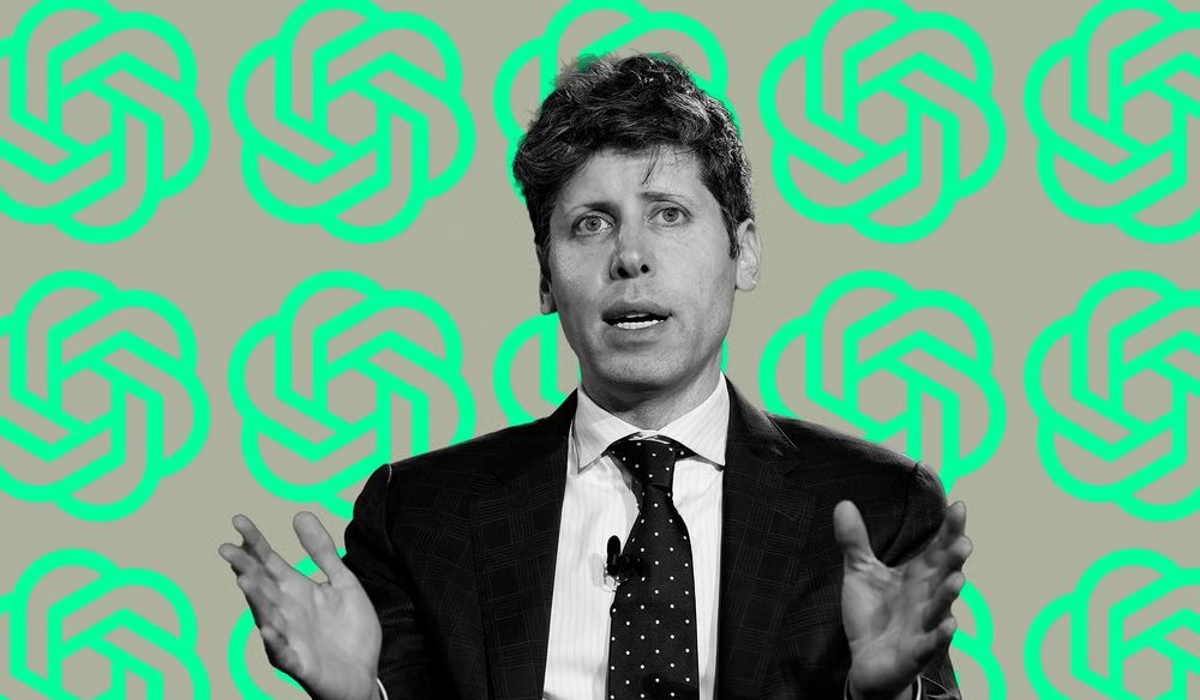


Miles Wang, an OpenAI researcher focused on using AI for scientific discovery, is reportedly leaving to launch a drug-discovery startup, with talks to raise about $200 million at a $2 billion valuation. Lightspeed may lead the round, and other OpenAI researchers are expected to join. Wang disputes some of the reported figures, and nothing is final.
Key Takeaways
- Miles Wang is reportedly leaving OpenAI for a drug-discovery startup
- He’s in talks to raise ~$200M at a $2 billion valuation
- Lightspeed Venture Partners may lead the funding round
- The startup may focus on new uses for existing or failed drugs
- Wang disputed some reported figures, and the deal isn’t final
What’s Being Reported
The news broke through TechCrunch. Miles Wang, an OpenAI researcher whose work includes using AI to accelerate scientific and biological discovery, is leaving the ChatGPT maker to launch a new startup focused on developing AI models for drug discovery, according to four people with knowledge of his plans.
The funding target is ambitious. Wang is in talks to raise about $200 million at a $2 billion valuation, two of the people said, with Lightspeed Venture Partners in discussions to lead the round.
He won’t be going alone. Several other OpenAI researchers are expected to join the new company, according to the reporting, suggesting a team spinout rather than a solo departure.
An important caveat sits at the center of the story. Talks are ongoing, the deal may not be final, and Wang himself disputed the story’s funding figures and description of the company, though he did not specify the correct numbers or details. Lightspeed didn’t respond to a request for comment.
The Strategy: Repurposing Existing Drugs
The startup’s likely focus is notable. According to a couple of sources, Wang’s new company may be working on AI models that help find new uses for existing drugs, and possibly for medicines that previously failed in clinical trials.
The logic is about speed to market. Finding new uses for FDA-approved drugs can mean significantly faster time to revenue than developing new drugs from scratch, since those medicines have already been tested for safety.
That approach sidesteps a major bottleneck. Developing a new medication typically takes over a decade, so starting from compounds already cleared for safety could let an AI-driven company reach results, and revenue, far sooner than the traditional pipeline allows.
Who Is Miles Wang
Wang’s background is unconventional. He joined OpenAI in 2024 after dropping out of Harvard, where he had been working toward a bachelor’s degree in computer science.
His research fits the new venture. At OpenAI, Wang co-authored several papers, including work on how AI models can automate and accelerate scientific discovery, directly relevant to a drug-discovery startup.
That track record helps explain investor interest. A researcher with hands-on experience applying frontier AI to scientific problems is exactly the kind of founder betting big on AI in the life sciences, even at an unusually high starting valuation.
A Crowded, Well-Funded Field
Wang would be entering a hot market. The funding discussions point to strong investor interest in applying AI to make breakthroughs in life sciences, and the recent deal flow backs that up.
Rivals are raising huge sums. Chai Discovery, a two-year-old startup building AI models that predict molecular interactions to identify new drugs, announced it raised $400 million at a $3.8 billion valuation, and its co-founder Josh Meier also passed through OpenAI as a researcher.
The heavyweights are circling too. Google DeepMind spinout Isomorphic Labs, which also develops AI models for drug discovery, raised a $2.1 billion Series B in May, underscoring how much capital is flowing into the space Wang aims to enter.
The OpenAI Talent Exodus
Wang’s move fits a broader pattern. OpenAI has repeatedly seen key researchers leave to commercialize AI in specialized fields, and the Chai Discovery link shows how OpenAI alumni are already seeding the drug-discovery sector specifically.
The pull is obvious. As OpenAI cements its lead in foundation models, its top researchers are increasingly leaving to apply that technology to high-stakes industries where AI promises to compress timelines and costs.
It’s a familiar Silicon Valley cycle. Talent trained at a frontier lab spins out to chase vertical applications, and investors, eager for the next breakout, are willing to pay premium valuations for founders carrying that pedigree.
Why It Matters
The valuation is the eye-catching part. Most AI-biotech startups launch at far lower figures, so a reported $2 billion before a public launch signals unusual conviction, both in Wang’s credentials and in the idea that large language model techniques can transfer to biology.
But the caveats are real. Wang disputes some of the reported details, the round isn’t closed, and the hardest question in this field remains unanswered: whether AI-driven approaches actually deliver drugs that reach patients, not just impressive models.
The tension is timeline versus hype. Even a faster, repurposing-focused strategy runs on biology’s clock, not software’s, so investors betting big upfront will need patience as much as belief. For now, Wang’s move is one more sign that AI’s brightest researchers see life sciences as the next frontier worth leaving OpenAI for.
Digital Trendings is your trusted source for AI news and updates, stay tuned for more.